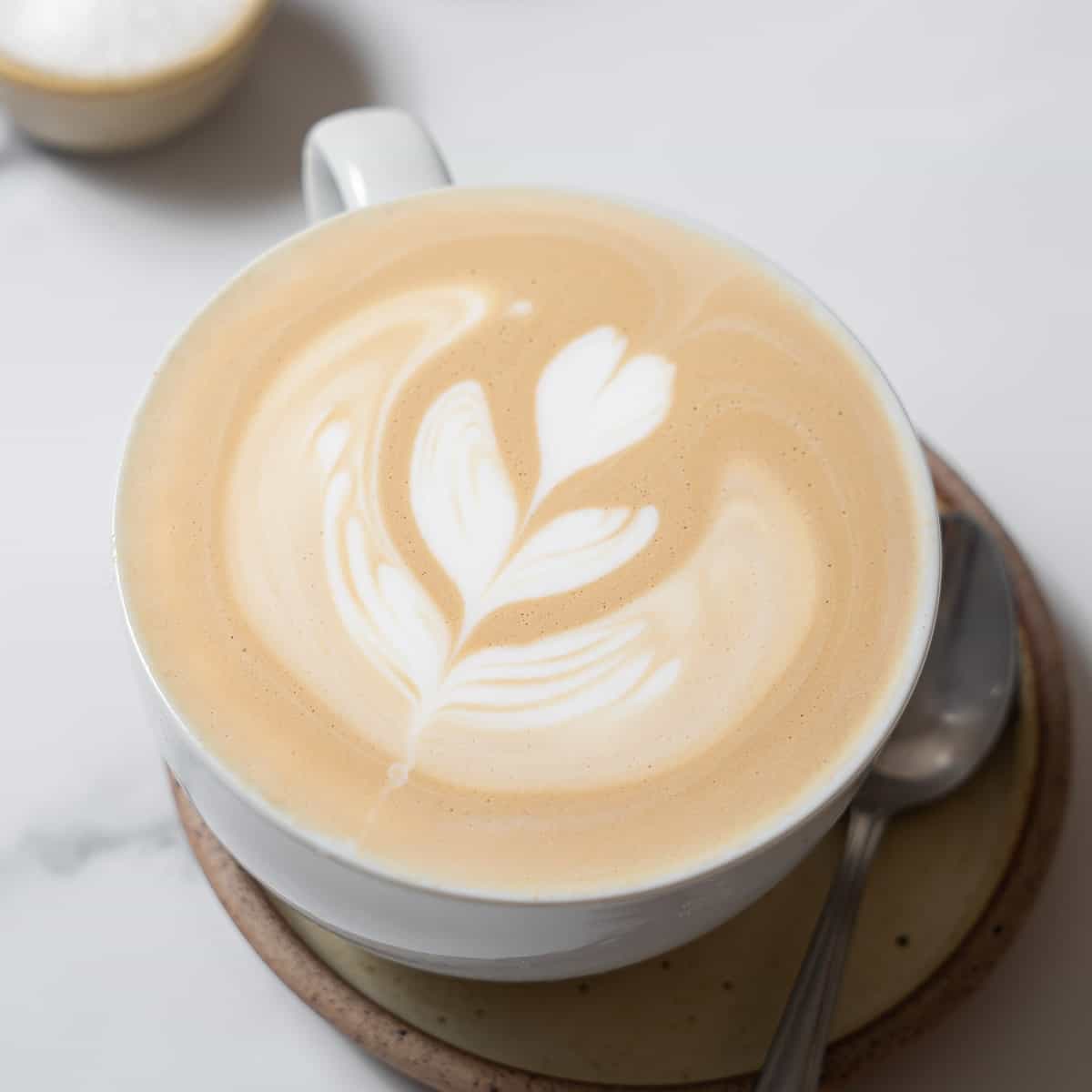
Imagine a coffee so perfectly balanced, so rich yet smooth, that it transforms your morning routine. Forget the overly sweet, often diluted lattes that dominate coffee shop menus. We're talking about Café con Leche – the quintessential Spanish coffee classic that, once tasted, often leaves even the most devoted latte drinkers wondering what they've been missing. This isn't just "coffee with milk"; it's an experience, a cultural staple, and a testament to simplicity done right. If you're ready to elevate your coffee game and learn how to make Spanish Cafe con Leche, you've come to the right place.
Why Cafe con Leche Outshines Your Everyday Latte
For many, the morning coffee ritual involves a latte, often laden with flavored syrups, extra shots, and a mountain of foam. While enjoyable, these concoctions can sometimes overshadow the true star: the coffee itself. Café con Leche, however, offers a refreshing contrast. Its beauty lies in its unpretentious elegance and a harmonious balance that allows the robust coffee flavor to shine through, softened and made creamy by perfectly prepared milk.
The key differentiator is the ratio. Most lattes lean heavily on milk, often with a 2:1 or even 3:1 milk-to-coffee ratio, resulting in a milder, milk-dominant drink. Café con Leche, on the other hand, traditionally employs a near 1:1 ratio of strong coffee to scalded or steamed milk. This equal partnership ensures neither ingredient overpowers the other, delivering a creamy texture that softens the coffee's intensity without diluting its character. It's a robust yet smooth sip, often described as a warm hug in a mug, perfectly suited to kickstart your day.
My own journey to Café con Leche began much like many others: with a friend's recommendation after they returned from Spain, captivated by this creamy coffee drink. Having never been a regular coffee drinker, the first taste was an revelation. It wasn't bitter, it wasn't too strong, it was just...right. It quickly became an almost daily ritual, proving that you don't need elaborate machinery or fancy ingredients to create an exceptional coffee experience. In fact, many loyalists, myself included, will tell you it puts most high-street lattes to shame.
The Rich History and Cultural Roots of Café con Leche
To truly appreciate Café con Leche, it helps to understand its origins. This beloved beverage is more than just a drink; it's a cornerstone of Spanish coffee culture, with roots stretching back centuries. Its humble beginnings likely trace back to the 1800s, when locals in Spain began adding warm milk to their strong coffee. This simple addition made the coffee more palatable and enjoyable, especially as a comforting morning staple. Over time, it cemented its place as a breakfast essential, commonly enjoyed alongside toasted bread, churros, or sweet pastries like pan dulce.
From Spain, the popularity of Café con Leche naturally spread across the Atlantic to Latin America, where it was embraced and adapted to local tastes. Each region added its unique spin, often pairing it with local sweet treats. Today, it stands as a global favorite, recognized as a symbol of Spanish hospitality and tradition, enjoyed by millions who seek an authentic and satisfying coffee experience. It’s a testament to how simple ingredients, combined thoughtfully, can create something truly timeless. For a deeper dive into its fascinating journey, explore The Timeless Story of Cafe con Leche: Spain's Iconic Brew.
How to Make Spanish Cafe con Leche at Home: Your Authentic Guide
The best part about Café con Leche? You absolutely do not need an expensive, countertop espresso machine to craft an authentic version at home. Its beauty lies in its simplicity and accessibility. Here’s how to make Spanish Cafe con Leche that will transport you straight to a Spanish café:
Essential Ingredients:
- Strong Coffee: This is non-negotiable. While espresso is traditional, a robustly brewed coffee from a Moka pot (stovetop espresso maker) is an excellent, authentic, and accessible alternative. A French press can also work, provided you use a dark roast and a strong brew.
- Milk: Whole milk is preferred for its richness and creaminess, but 2% milk works well too.
- Sugar (Optional): To taste. Many prefer it unsweetened to appreciate the pure coffee and milk flavors, while others, like my sister, enjoy it barely sweetened, and some, like me, prefer it a little sweeter.
Recommended Equipment:
- Moka Pot: For brewing strong, concentrated coffee that rivals espresso.
- Small Saucepan: For scalding the milk.
- Milk Frother (Optional): A handheld frother can add a lovely layer of foam, but simply heating and whisking the milk is also perfectly fine.
- Coffee Mugs: Preferably thick-walled to keep your drink warm.
Step-by-Step Instructions for the Perfect Café con Leche:
- Brew Your Strong Coffee: Fill your Moka pot with water to the fill line and add finely ground dark roast coffee to the filter basket. Screw it together and place it on medium heat. Brew until the coffee fills the top chamber, signaling a rich, strong brew. If using an espresso machine, pull a double shot.
- Scald Your Milk: Pour your desired amount of milk (remembering the 1:1 ratio with your coffee) into a small saucepan. Heat it over medium-low heat, stirring occasionally, until it's hot and steaming, with tiny bubbles forming around the edges. Do not let it boil! The goal is scalded, not boiled, milk, which results in a creamy, velvety texture. If you have a frother, now is the time to gently froth it to your desired consistency.
- Combine with Care: Pour the hot, strong coffee into your mug first. Then, slowly pour in the scalded milk. The traditional 1:1 ratio is a great starting point, but you can adjust slightly to your preference.
- Sweeten to Taste: Add sugar or honey if desired, stirring gently until dissolved. Take a sip and adjust to your liking.
Pro Tip for Perfection: The temperature of the milk is crucial. Scalding the milk just to the point of steaming, without boiling, brings out its natural sweetness and creates that signature creamy texture without being too thin or too thick. Also, experiment with different dark roast coffees to find the one that best suits your palate for that perfect Spanish touch.
Beyond the Recipe: The Café con Leche Experience
What truly sets Café con Leche apart is the overall experience. It's not just a beverage; it's a moment of calm, a nod to tradition, and a celebration of simple, quality ingredients. Unlike the often-complicated and sugar-heavy lattes, Café con Leche doesn't need bells and whistles to make an impression. It feels warm, familiar, and just right for starting the day or enjoying a quiet afternoon break.
This drink isn't trying to be anything it's not. It's strong coffee, softened by creamy milk, and if you choose, just a touch of sweetness. There are no hidden flavors, no syrups masking the coffee's true essence. It's honest, comforting, and incredibly satisfying. This straightforward elegance is what captivated countless individuals, from first-time visitors to Spain to seasoned coffee enthusiasts, and continues to make it a beloved classic worldwide.
Conclusion: Embrace the Spanish Classic
If your daily coffee routine feels uninspired, or if you're simply curious to explore a more authentic and balanced coffee experience, it's time to discover the magic of Café con Leche. Its perfect harmony between strong coffee and creamy milk offers a richness and depth that many lattes simply can't match. Learning how to make Spanish Cafe con Leche at home is an easy, rewarding endeavor that promises to transform your mornings and delight your senses. Give this Spanish classic a try – you might just find your new favorite coffee.
